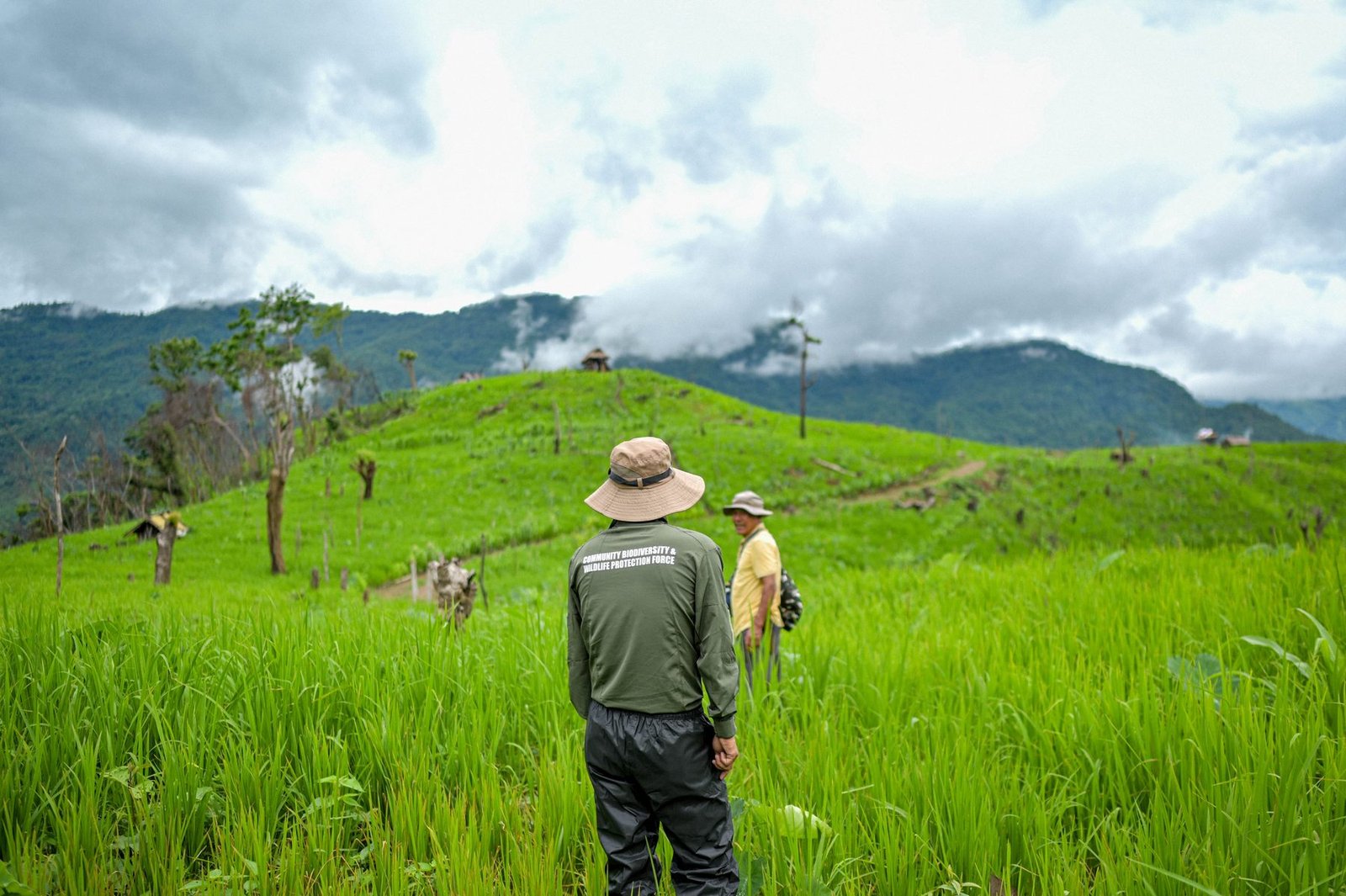

A member of a community biodiversity and wildlife protection force standing in a paddy field below forested hills
Biodiversity Conservation · Indigenous Governance

Biodiversity Management Committees (BMCs)

Every local body in India is required to constitute one. Kenono works with BMCs in Nagaland to make them working conservation institutions.

Scroll
What a BMC is

A village body with a statute behind it.

The Biological Diversity Act puts local biodiversity in the hands of a committee at the level where people actually use it.

What the law requires

  • Every local body must have one. Section 41 of the Biological Diversity Act, 2002 requires every local body to constitute a Biodiversity Management Committee within its area.
  • Conserve, use, document. The committee promotes the conservation, sustainable use, and documentation of biological diversity: habitats, landraces, folk varieties and cultivars, domesticated stocks and breeds, and the knowledge held about them.
  • It has to be consulted. The National Biodiversity Authority and the State Biodiversity Board must consult the BMC before taking decisions on the use of biological resources in its area.
  • It can charge for commercial access. The committee may levy a collection fee on anyone accessing or collecting biological resources from its area for commercial purposes.

What that means in Nagaland

  • The land is already the village’s. Forest here is community and private land rather than state forest, so the committee sits on top of ownership the village already holds.
  • It works beside the village institutions. The council and the khels hold the land and take the decisions. The BMC gives the village a body recognised under national law for biodiversity in particular.
  • Constituting one and running one are different things. A committee on paper becomes an institution once it has a record, a plan, and people who know what to do with both.
  • It is the counterpart on access. Under the same Act, the BMC is the body consulted when someone seeks to use the village’s biological resources or the knowledge that goes with them.

Every village has a Biodiversity Management Committee. Some also hold a Community Conserved Area, governed by the village’s own rules.

The record

The People’s Biodiversity Register.

A village’s own account of what grows, lives, and is cultivated in its area, and of the knowledge that comes with it.
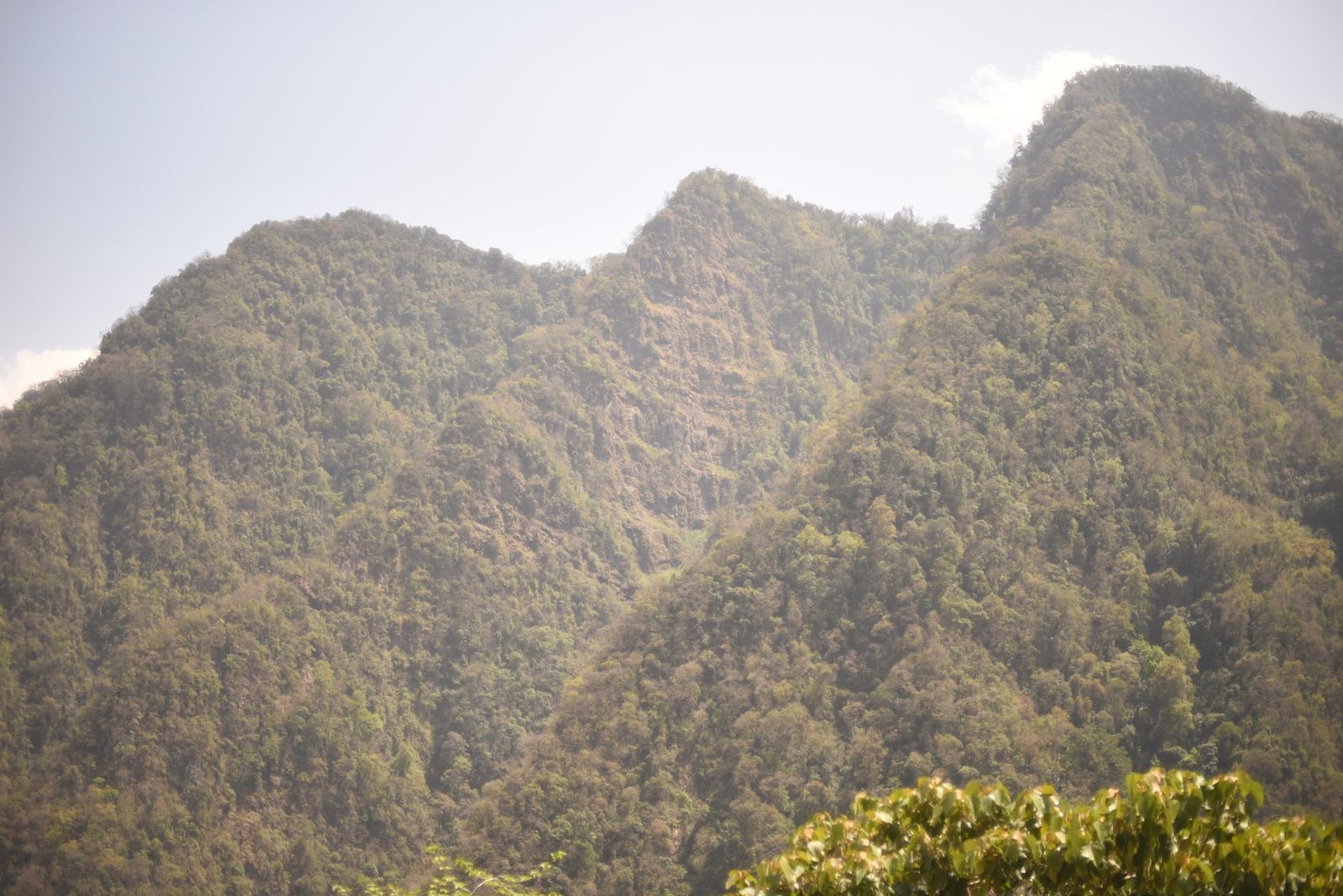
A steep forested mountain face above the valleyThe forest a register has to account for
  • What goes in it. Local flora and fauna, crop varieties and livestock breeds, the agroecological practices around them, and where each of these is found.
  • Who holds it. The BMC keeps the register, so the record stays in the village rather than in an outside institution’s archive.
  • What it is for. It documents the village’s biodiversity under the statute that governs access to biological resources and the knowledge attached to them, which is what gives the record standing when access or benefit sharing comes up.
  • How Kenono works on it. Surveys, species lists, and the agroecological knowledge held by farmers and elders, compiled with the committee rather than for it.
What Kenono does

From a constituted committee to a working one.

Four lines of work, all of them carried out with the committee and the village council rather than around them.

01

Strengthening the committee

Helping villages constitute and then actually convene their BMC, with the roles, records, and meeting practice that let it take decisions and hold them.

02

Management plans

Designing and writing the plans that govern how village forest and common land are used, so the rules are set down and can be followed year after year.

03

People’s Biodiversity Registers

Building the register species by species, with the flora, fauna, and agroecological knowledge of the village recorded under the committee’s name.

04

Monitoring and protection

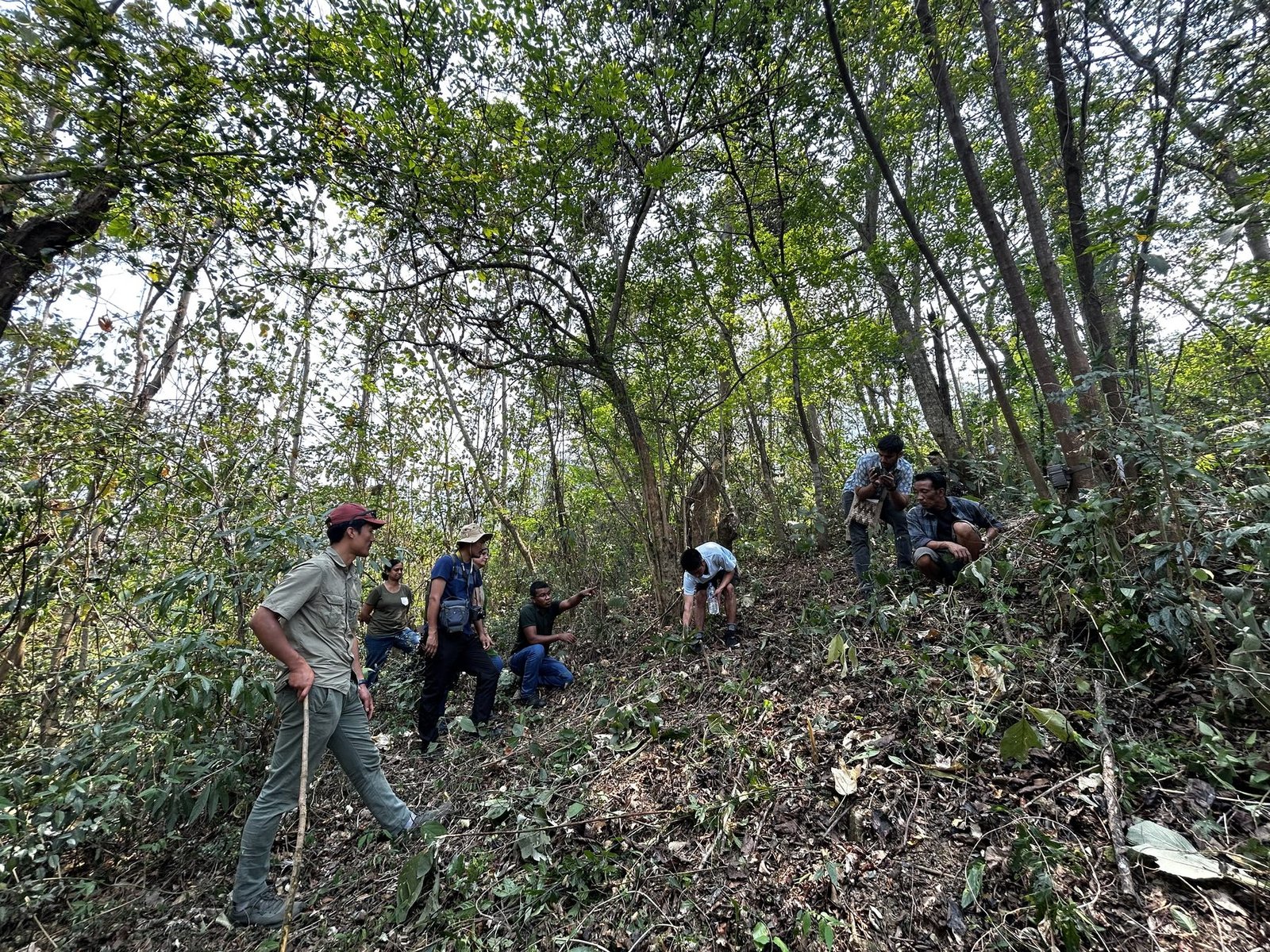
Camera trapping and wildlife monitoring training, so the committee has evidence of what lives in its forest, and support for the community protection forces that patrol it.
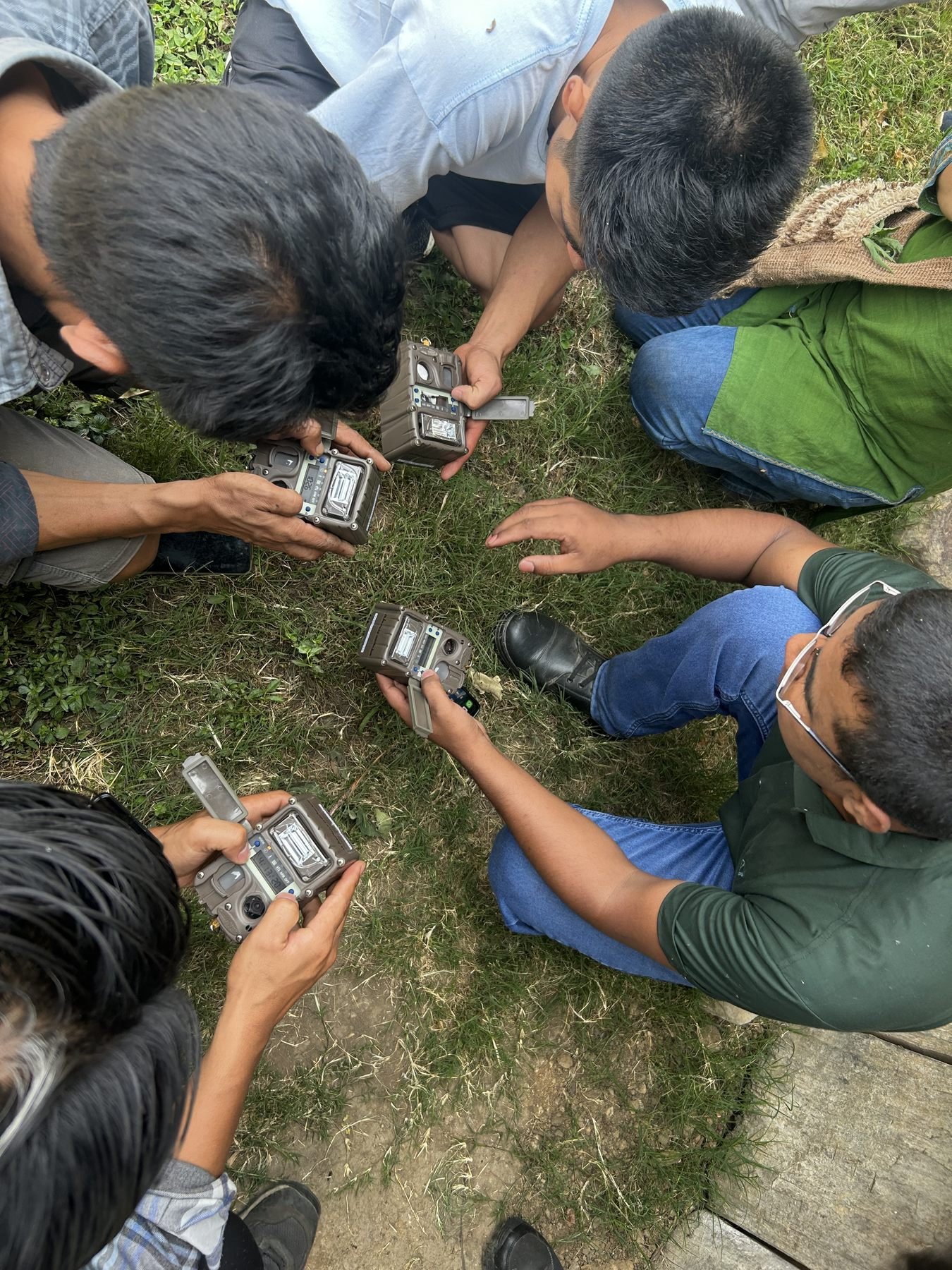
A group seated in a circle handling camera traps during a training sessionCamera trap training
A team placing and checking a camera trap on a forested slopeSiting a camera in the community forest
Field notes

The area a committee answers for.

Village forest, village hall, and the ridges in between.
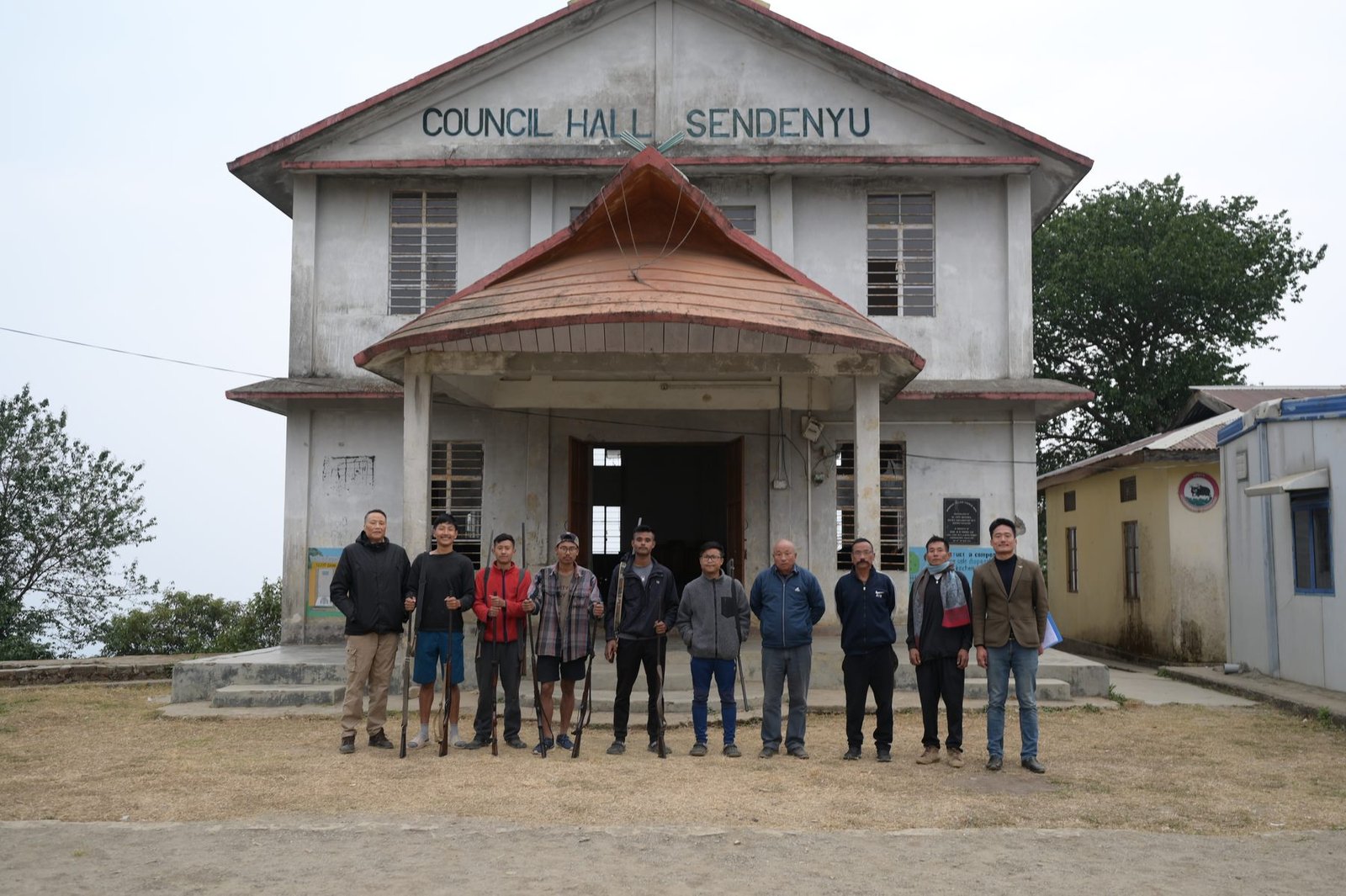
Men standing with guns in front of the Council Hall at Sendenyu01At the Council Hall, Sendenyu
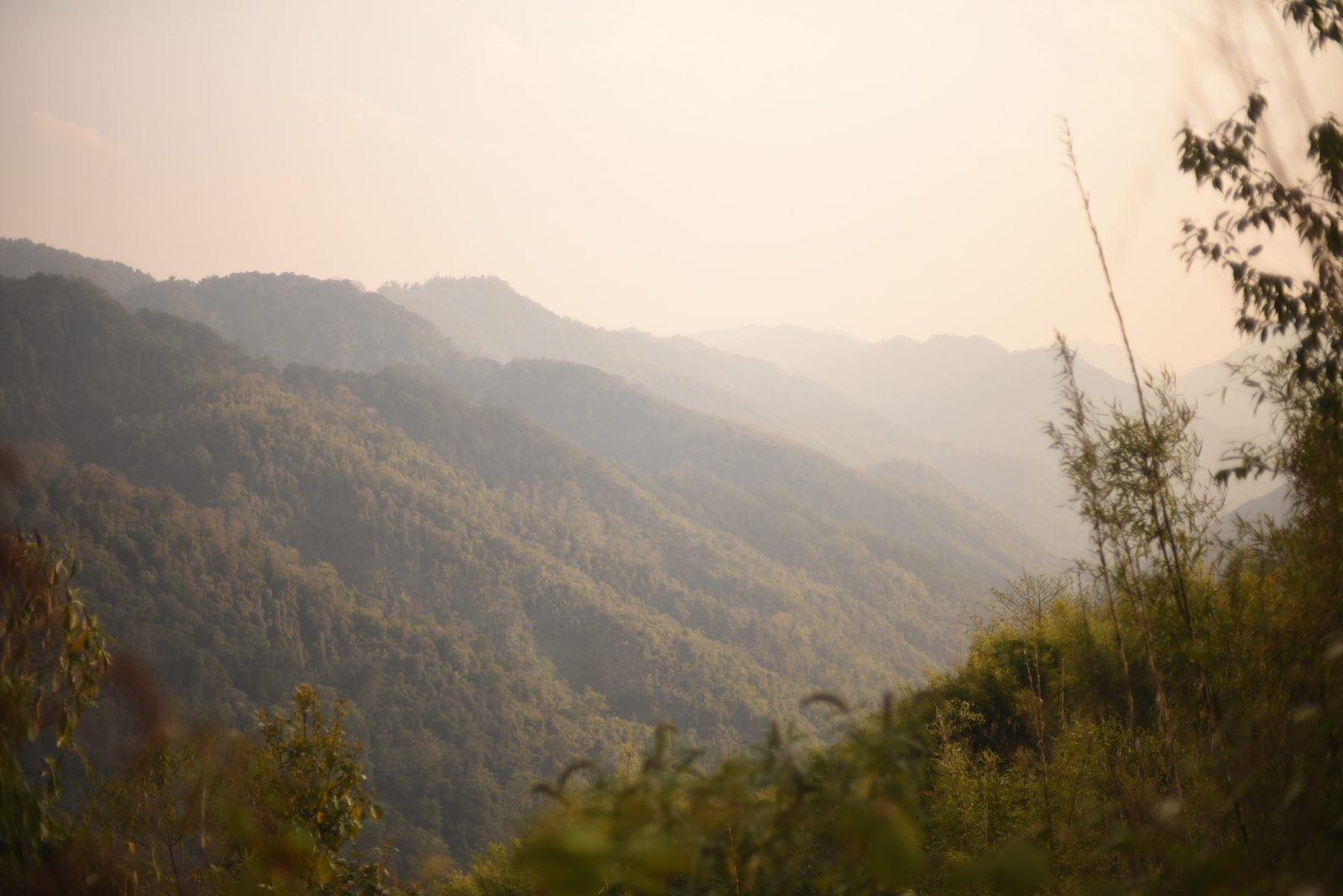
Layered forested ridges in evening haze02Ridge after ridge, all of it village land